

Football Cannot Erase Memory: South Africa, Xenophobic Violence, and Africa's Response
Bisola Henrietta AJIFOWOWE
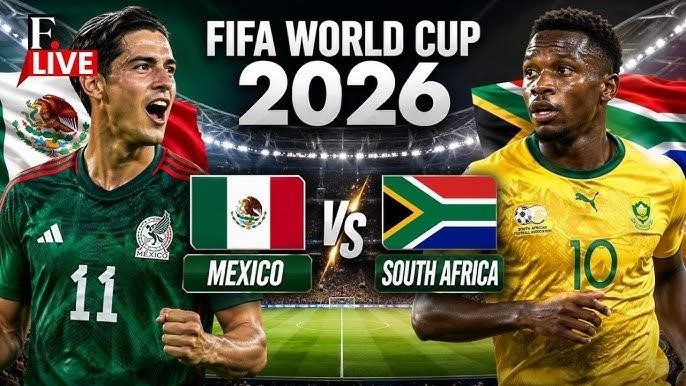
The 2026 FIFA World Cup opened on 11 June with Mexico defeating South Africa 2-0 in Mexico City. The match attracted global attention as football fans gathered to celebrate the world's biggest sporting event. Yet for many Africans, conversations before the game extended beyond football. Reports of renewed hostility toward foreign Africans in South Africa revived old questions about African solidarity and collective memory.
Nigeria and South Africa share a long history. During the apartheid years, Nigeria stood firmly behind the struggle against racial oppression. Successive Nigerian governments contributed funds to anti-apartheid campaigns, offered scholarships to South African students, supported liberation movements, and pushed for sanctions against the apartheid regime in international forums. Many Nigerian workers voluntarily contributed to the Southern Africa Relief Fund. South Africa's freedom struggle became an African cause. When apartheid finally collapsed in 1994, many Nigerians celebrated the victory as if it were their own. The emergence of democratic South Africa symbolized hope for a continent that had suffered colonialism, racism, and political exclusion.
Three decades later, relations between South Africa and other African countries have been repeatedly strained. Since 2008, South Africa has witnessed several waves of xenophobic violence directed mainly at African migrants from Nigeria, Zimbabwe, Mozambique, Somalia, Ethiopia, Malawi, and other countries. Human rights organizations and media reports have documented hundreds of deaths and thousands of displaced persons across different outbreaks. Shops have been looted. Homes have been destroyed. Families have fled communities where they had lived and worked for years.
The reasons often given for these attacks include unemployment, poverty, crime, and competition for economic opportunities. Yet such explanations do not erase the human cost. Many victims are ordinary workers, traders, students, and professionals who moved to South Africa in search of a better life. For many Africans, these attacks create a painful contradiction. South Africa was once a symbol of African unity against racial oppression. Today, some Africans view the country as increasingly hostile toward fellow Africans.
Sport does not exist in isolation from society. Football often reflects wider social and political realities. National teams represent more than players on a field. They carry the image of their countries. This reality appeared visible during South Africa's opening World Cup match against Mexico. Across social media platforms, many African football fans expressed little sympathy for the South African team. Some openly supported Mexico. Others remained neutral. Their position was not necessarily based on a football rivalry. Instead, many referenced years of xenophobic attacks and hostility toward foreign Africans. Such reactions reveal an uncomfortable truth. Historical goodwill is not permanent. Nations build goodwill through their actions. They lose goodwill through their actions as well.
South Africa's liberation struggle benefited from African solidarity. Many African countries invested political, economic, and diplomatic capital in the fight against apartheid. The memory of that support remains strong across the continent. When African migrants face violence in democratic South Africa, many people see a gap between the values celebrated during the liberation struggle and present realities.
The World Cup offers more than entertainment. It offers an opportunity for reflection. Football brings nations together. It creates moments of shared identity. South Africa's participation on the global stage should encourage deeper conversations about African unity, migration, and mutual respect. The lesson extends beyond South Africa. Every African country hosts migrants. Every African society faces economic pressures. Yet the future of continental cooperation depends on how Africans treat one another. History remembers those who stood together during difficult times. History also remembers those who forgot.
As the World Cup continues, football fans will celebrate goals, victories, and national pride. Yet the deeper challenge remains. Africa's greatest strength has always been solidarity. Preserving that solidarity requires more than speeches. It requires action, dignity, and respect for every African, regardless of nationality.


Leave a Comment