

FROM IBADAN TO THE PEARL OF AFRICA: A PILGRIMAGE OF FAITH, FIRE & FELLOWSHIP CYON Ibadan Archdiocese Reflects on the Uganda Pilgrimage 2026
Rev. Fr. Gabriel AZEEZ
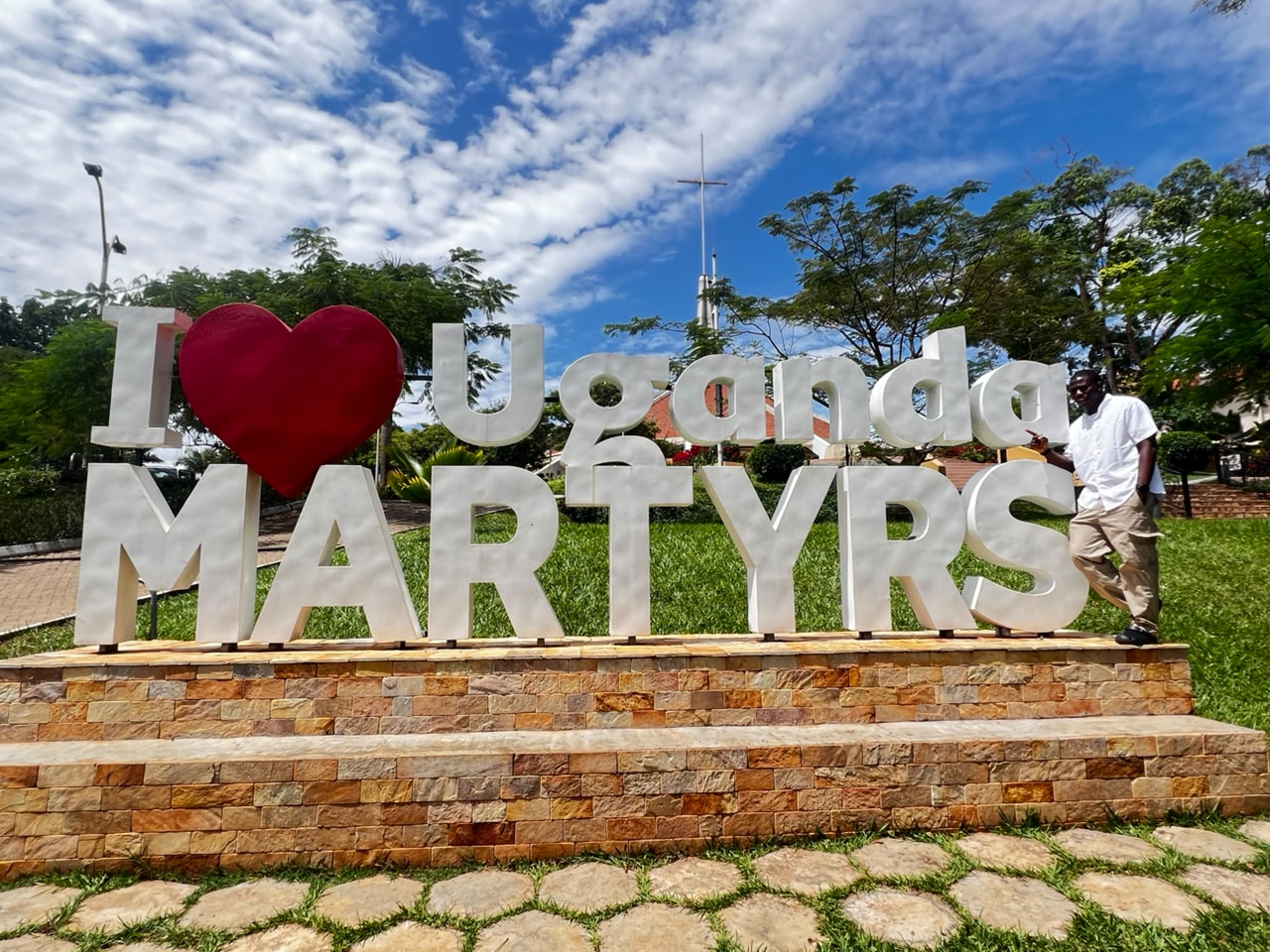
In late May 2026, a group of young Catholics from the Ibadan Archdiocese embarked on a pilgrimage to Uganda, and returned home forever changed.
It began as a journey to the land of the martyrs. It became something far greater.
From the moment we landed in Kampala and were received with open arms at the parish house, it was clear that this was not going to be an ordinary trip. Uganda did not receive us as visitors. She received us as family. Two Ugandan families opened their homes to us throughout our stay, and their warmth, unhurried, unconditional, and deeply Christ-like, was perhaps the first and most lasting lesson of the pilgrimage.
What We Saw
We walked the very ground where the faith was planted. At Entebbe, we stood where the first missionaries arrived. At the Cathedral of the Kampala Archdiocese, we marveled at a breathtaking edifice that holds, among its many treasures, a relic of St Charles Lwanga, the tomb of a past Archbishop, and an organ that has rung out in worship since 1972. We entered the adoration chapel built on the site of the first Mass ever celebrated in Uganda, a moment that stirred something deep and quiet in all of us.
At Muyonyo, we visited the Minor Basilica where King Mwanga pronounced his death sentences. We saw the tomb of St. Andrew, a man killed by those who envied his closeness to the king. We stood beside the monument of Charles Lwanga baptizing young Kizito just one week before their execution. We saw the tree under which death was decreed, and learned, to our wonder, that it is an incense tree, its wood used to this day to produce the incense burned at the Martyrs' Shrine. Even the instruments of persecution, God has made holy.
And then there was Namugongo. On the Feast Day of St. Charles Lwanga and his Companions, surrounded by pilgrims from across the world, we stood on the very ground where those young men, some barely older than the youth in our own Archdiocese, chose God over their lives. His Grace presided at Mass. Our delegation was recognized and welcomed. Many of us wept. All of us were changed.
What We Learnt
The Uganda Martyrs were not distant saints. They were young people, teenagers, pages in a royal court, navigating the same tension every young Catholic navigates today: the pressure to conform, to be silent, to choose survival over conviction. They chose differently. And their choice built the Church in Uganda. That truth landed on us with new weight standing in the places where it actually happened.
We also learnt something quietly radical about faith and hospitality. At every site, in every home, in every shared meal, the Ugandan Catholic community demonstrated a faith that is lived, not performed. Their devotion is woven into the ordinary fabric of daily life, and that is a mirror we carried home with us.
What We Can Imbibe
Uganda showed us a Church that is rooted. Where we sometimes rush, in worship, in community, in relationship, our Ugandan brothers and sisters linger. They linger in prayer. They linger at the table. There is a lesson in that unhurriedness that the Nigerian Church, vibrant and energetic as she is, would do well to receive.
We also saw what it looks like when youth are genuinely central to the life of the Church, not as an afterthought, but as active ministers, witnesses, and bearers of the faith. It challenged us to go home and be exactly that.
Culture, Exchange & the Ties That Bind
The cultural exchange was one of the most joyful evenings of the trip. We shared ‘egusi’ soup and ‘eba’ with our Ugandan hosts — and watched their faces light up with curiosity and delight. They shared their music, their stories, and their laughter with us. We played games together, prayed together, and in doing so, discovered that the differences between our cultures are far outnumbered by the things we hold in common: a love of God, a love of community, and a conviction that the Church in Africa is alive, young, and rising.
There is a Yoruba saying: ‘Enia ni aso mi’ — Human being is my garment. Uganda dressed us in something we did not have before. We return to Ibadan wearing it.
The CYON Ibadan Archdiocese Uganda Pilgrimage 2026 was coordinated under the leadership of The Four CYON Chaplains and supported by the Archdiocese. Glory to God in the highest.


Leave a Comment